TL;DR
File when storm damage clearly exceeds your deductible and is documented. Don't file before getting an inspection — opening a claim that gets denied stays on your record. We help you decide.
The simple rule
File when the documented damage clearly exceeds your deductible by a meaningful margin. Skip the claim when damage is borderline, when you're outside the loss-event window, or when filing might trigger a non-renewal.
Step 1 — Get an inspection first
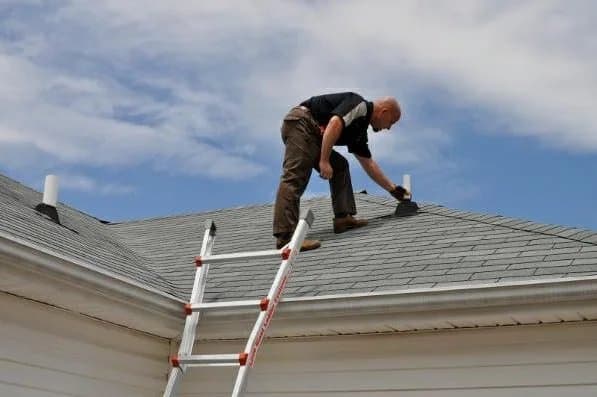
Always inspect before you call your carrier. Why? Because opening a claim that gets denied is recorded by carriers and may affect future renewals. Inspect first, know what you're filing, then file.
Step 2 — Check the storm date and policy window
Most Ohio policies require claims within 12 months of the date of loss. We pull NWS storm-event data to identify the specific storm date — often months earlier than homeowners realize.
Step 3 — Compare scope to deductible
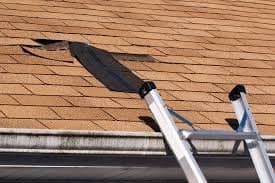
If your deductible is $1,000 and the damage runs $14,000, the math is obvious — file. But storm damage is often confined to one or two slopes, and a repair on a $1,000 deductible can easily come in under it. Then filing costs you claim history for nothing. We help you decide before you call the carrier.
Common mistakes to avoid
Don't open a claim before inspecting. Don't accept the carrier's first estimate without supplements. Don't sign a contractor's contract before the claim is approved (it's likely an Assignment of Benefits trick that costs you control).
What we do
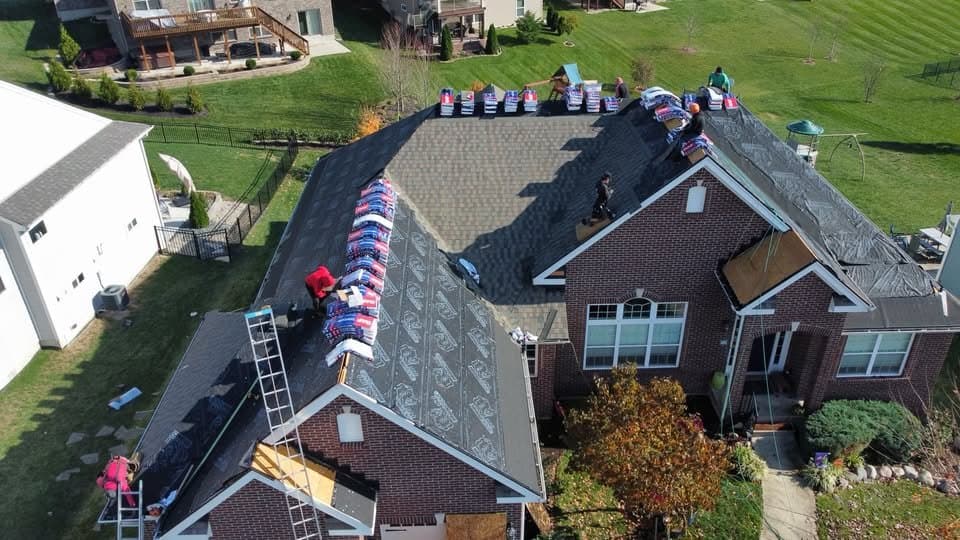
We inspect first, document everything, and advise you on whether filing makes sense at all. You file the claim and stay in control of it; we review the carrier's estimate against what we found, then do the work. You pay your deductible and get a roof that keeps the water out.
Published April 8, 2026