TL;DR
Most hail damage is invisible from the ground. Check your gutters, AC fins, and metal flashing for impact dents — those mean your shingles are likely damaged too. When in doubt, get a free inspection.
What you can see from the ground
Standing in the yard, you can spot most of the indicators that something happened. The roof itself is harder to assess — that takes a roof-level inspection.
- Gutters and downspouts dented or dimpled
- Granules in gutters or splash zones
- AC condenser fins bent
- Plastic roof vents cracked
- Cracked window screens or paint chipping on siding
What requires a roof-level inspection
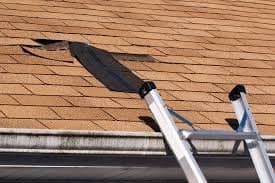
Shingle damage — bruises, fractures, granule loss patterns — usually requires walking the roof. So does decking damage, ridge cap damage, and most flashing damage.
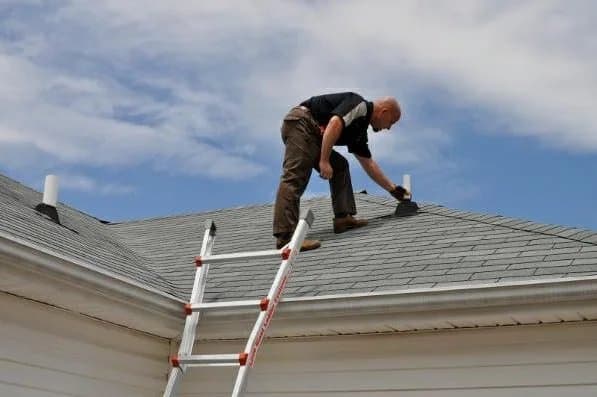
If you suspect hail damage, don't climb up yourself. Damaged shingles are unstable and slick. Schedule a free inspection — our experienced inspectors have the gear and the training.
What carriers look for
Insurance adjusters are trained to identify specific markers: hail strike density per slope (bruises per 100 sq ft), strike pattern (round vs. mechanical), and corroborating damage on metal accessories.
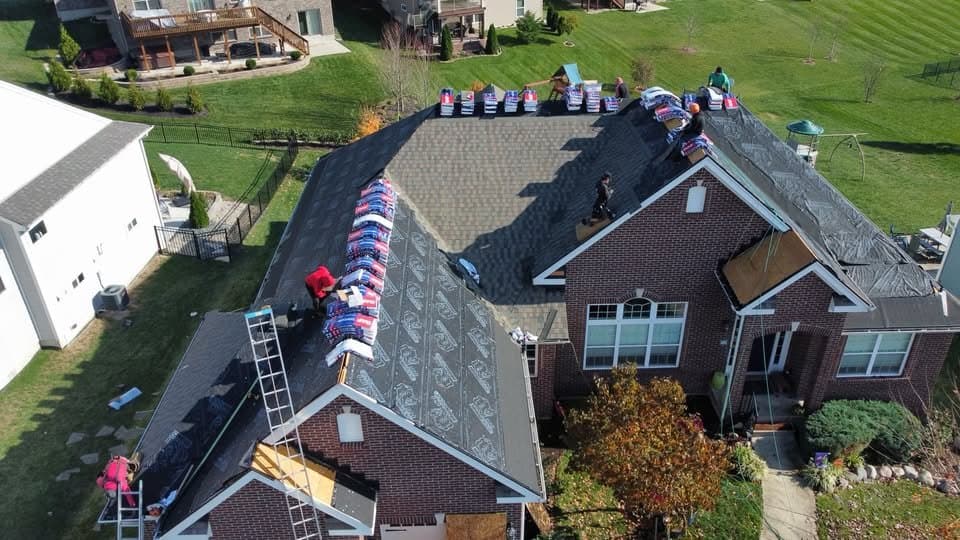
Documentation is everything. We photograph each slope, mark each strike, and present a carrier-grade scope so there's no ambiguity when their adjuster shows up.
When to call
Within 30 days of any significant hail event in your area. Carriers require claims within 12 months, but the longer you wait, the harder it is to attribute damage to a specific storm.
Published April 12, 2026