TL;DR
Hail damage isn't always obvious from the ground. Look for granule loss in gutters, dented metal, bruised shingles, and damaged AC fins. We document all of it for your insurance carrier.
Why this matters
Hail can total a roof without leaving a single visible hole. Insurance carriers know this — they have specific damage indicators they look for. If you can spot them first (or know to ask about them), you'll file a stronger claim.
1. Granule loss in your gutters
Asphalt shingles are protected by a layer of mineral granules. Hail knocks those granules loose, exposing the asphalt mat underneath. After a storm, check your gutters and downspout splash zones — heavy granule deposits are a clear indicator.
2. Bruised or fractured shingles
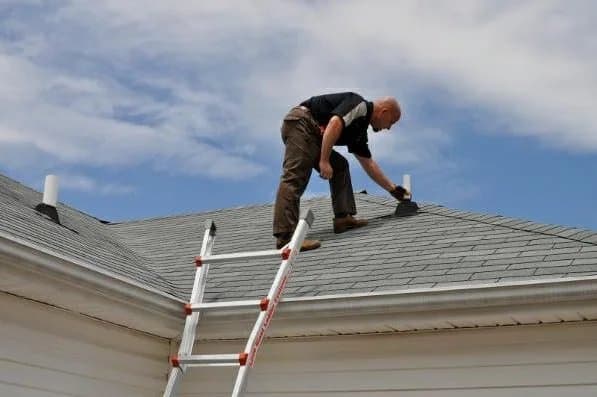
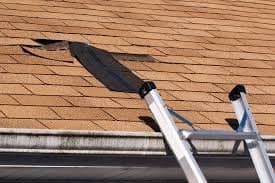
On the roof itself, hail strikes leave round dark spots where granules are missing. The fiberglass mat under the granules may be fractured (a 'bruise') — soft to the touch, like a bruised apple. This is the primary indicator carriers use.
3. Dented gutters and downspouts
Aluminum gutters dent on impact. Look for round dings on the top edge of the gutter and on the downspouts. These are easy to spot from the ground and timestamp the storm.
4. Hail strikes on AC condenser fins
The aluminum fins on your outdoor AC unit are extremely soft. Even small hail bends them. Carriers recognize this as proof of hail size — if your AC fins are bent, your roof very likely has matching damage.
5. Damaged plastic roof vents
Plastic vent caps and turbine vents crack on hail impact. The crack pattern is distinctive — radial fractures spreading from a central impact point.
6. Dented metal flashing and pipe boots
Around chimneys, walls, and plumbing vents, look for dimples or dings in the flashing metal. Pipe boots (the black rubber collars around plumbing vents) often crack or split on hail impact.
7. Cracked skylight glass
Skylights use tempered glass that survives most hail, but large hailstones can leave hairline cracks. These are often missed until the next rain when leaks appear.
8. Soft spots when walking the roof
On older roofs, hail impact can split the underlying decking. A roof inspector walking the surface will feel these as 'soft spots' — areas where the roof flexes underfoot.
9. Damaged ridge caps
Ridge caps (the shingles bent over the ridge of the roof) are exposed and take direct hits. Cracked or split ridge caps are common after hail and almost always need replacement.
10. Damaged painted surfaces
Wood trim, painted siding, and outdoor furniture can show paint chipping or surface marks where hail hit hardest. This is corroborating evidence that hail size was sufficient to damage the roof.
What to do if you see any of these
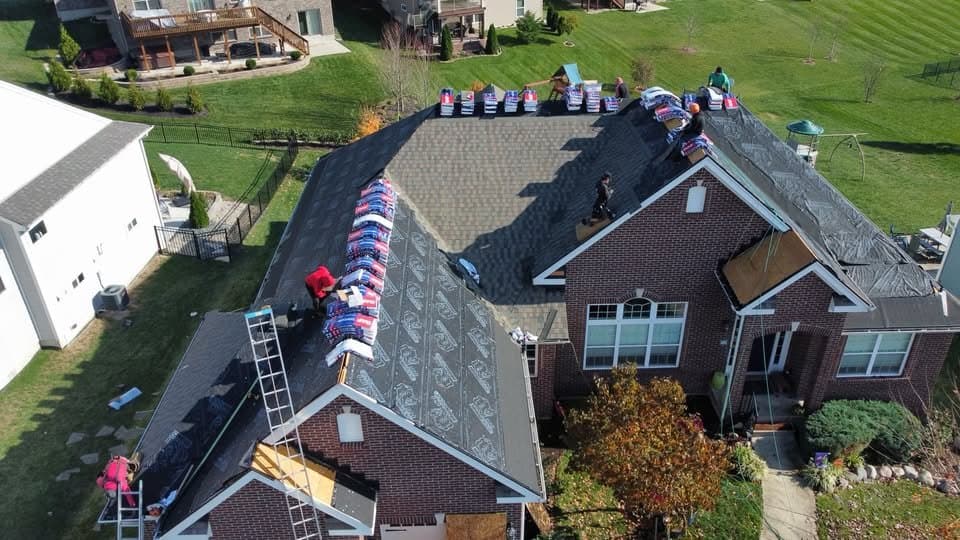
Don't climb on the roof yourself. Schedule a free inspection — we send an experienced inspector with proper equipment and full documentation. If we find claim-worthy damage, we document it so you can file with your carrier, and we review the estimate that comes back.
Published April 15, 2026