
TL;DR
Photograph ground-level damage, note the date, don't climb the roof, and don't sign anything from door-knocking contractors. Schedule a free inspection — we'll handle the rest.
First — make sure everyone is safe
Hail is often part of a severe weather system that includes high winds and tornado risk. Stay inside until the storm fully passes. Then check for water entry, broken windows, and downed power lines before doing anything outside.
1. Photograph ground-level damage
With your phone, photograph dented gutters, downspouts, AC fins, vehicle damage, broken window screens, paint chipping, and any visible roof debris. Timestamp via your phone's photo metadata.
2. Note the date and time
Write down the date and approximate time. We'll cross-reference this against NWS storm-event data and radar to verify hail size at your address — a critical piece of carrier documentation.
3. Don't climb on the roof
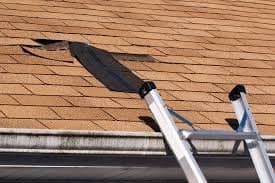
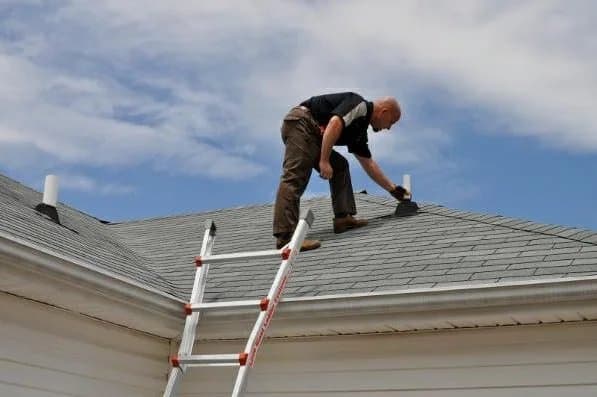
Damaged shingles are slick and unstable. The leading cause of roof-related injuries after a storm is homeowners trying to inspect their own roofs. Wait for an inspector with proper equipment.
4. Be skeptical of door-knocking contractors
Storm-chasing contractors flood neighborhoods within 24-48 hours of a major event. Some are legitimate; many are not. Never sign anything on the spot — especially not an 'Assignment of Benefits' contract.
5. Schedule a free inspection
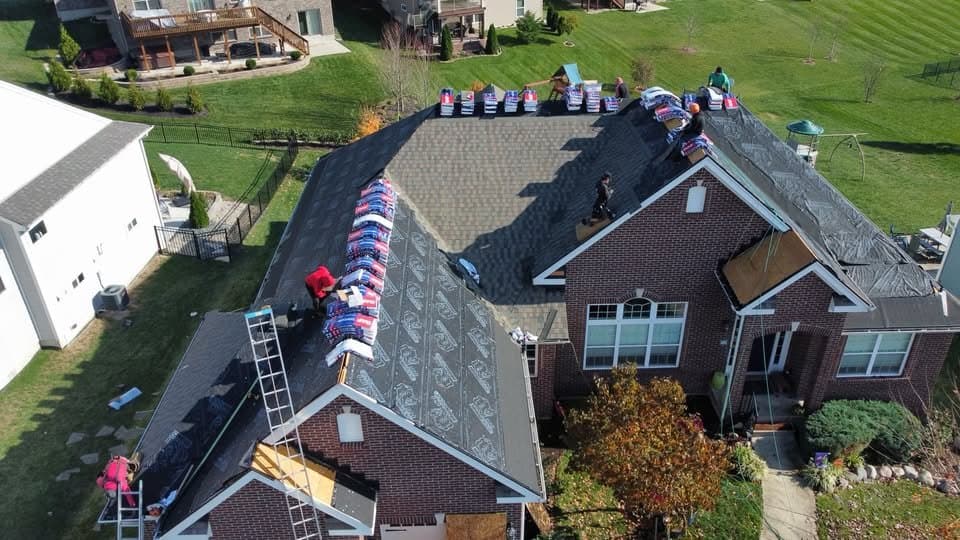
Schedule with NextRoof 360 or any experienced local roofer. We'll be on-site within 48 hours, document everything, and tell you whether a claim makes sense.
6. Don't call your carrier yet
Wait until after the inspection. Opening a claim before knowing whether you have one can hurt your record without benefit. We'll help you decide whether to file.
Published April 5, 2026